How To Get Strata Approval For Renovations In Sydney (Step-By-Step)
Renovating an apartment or unit in Sydney can be exciting, but strata approval is one of the biggest hurdles owners face before work begins. If you start renovations without the right approval, you may be ordered to stop work, reverse completed changes, repair common property, deal with neighbour complaints or face costly disputes through the owners corporation.
For anyone planning unit renovations in Sydney, understanding the approval process early can save time, stress and money. The good news is that strata approval is manageable when you know what type of renovation you are doing, what documents are required and who needs to approve the work.
Why Strata Approval Matters
In a strata building, you own your lot, but many parts of the building are shared common property. This can include external walls, structural elements, waterproofing membranes, pipes, ceilings, floors, windows, balconies and service infrastructure.
That means even renovations inside your apartment may affect areas you do not exclusively own. A bathroom renovation, flooring replacement or kitchen upgrade may seem straightforward, but it can still trigger strata requirements if it affects plumbing, waterproofing, noise transfer or common property.
Getting approval protects you by confirming the work is properly documented before construction begins.
Step 1: Check Your Strata By-Laws First
Before speaking with builders or ordering materials, request a copy of your strata scheme’s by-laws. By-laws often outline:
- Renovation approval requirements
- Permitted work hours
- Noise rules
- Flooring and acoustic requirements
- Lift protection requirements
- Waste removal rules
- Contractor insurance requirements
- Common property restrictions
Every building is different. A renovation that is simple in one Sydney apartment building may require more documentation in another.
Step 2: Work Out Whether Your Renovation Is Cosmetic, Minor or Major
NSW strata renovation approvals generally fall into three broad categories.
Cosmetic Work
Cosmetic work is usually low-impact and does not affect common property, structure or waterproofing. Examples may include:
- Painting internal walls
- Installing curtains or blinds
- Filling small wall holes
- Replacing removable fixtures
- Installing picture hooks
Cosmetic work often does not require formal approval, but owners should still check their scheme’s by-laws and notify strata where required.
Minor Renovations
Minor renovations usually require approval from the owners corporation or strata committee, depending on the scheme’s by-laws. Examples may include:
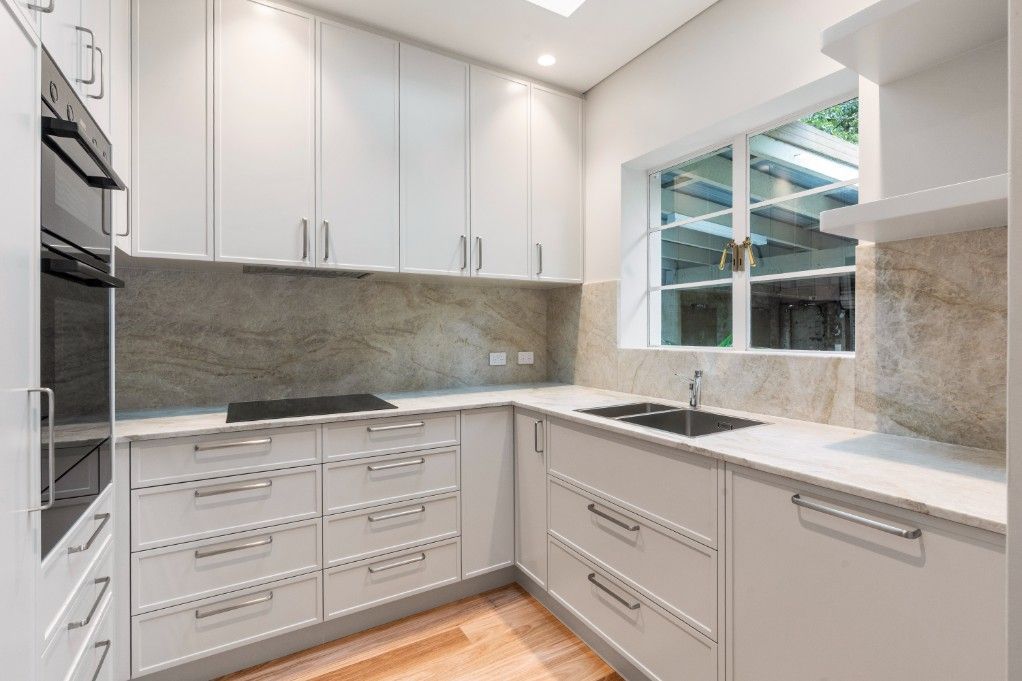
- Kitchen renovations
- Replacing flooring
- Renovating internal cabinetry
- Installing or replacing hard flooring
- Some non-structural internal changes
- Bathroom upgrades that do not affect waterproofing
Minor renovations usually need a formal application with supporting documentation before work starts.
Major Renovations
Major renovations generally require more formal approval, often by special resolution at a general meeting. Examples may include:
- Structural changes
- Work affecting waterproofing
- Changes to common property
- External appearance changes
- Moving plumbing services
- Altering load-bearing walls
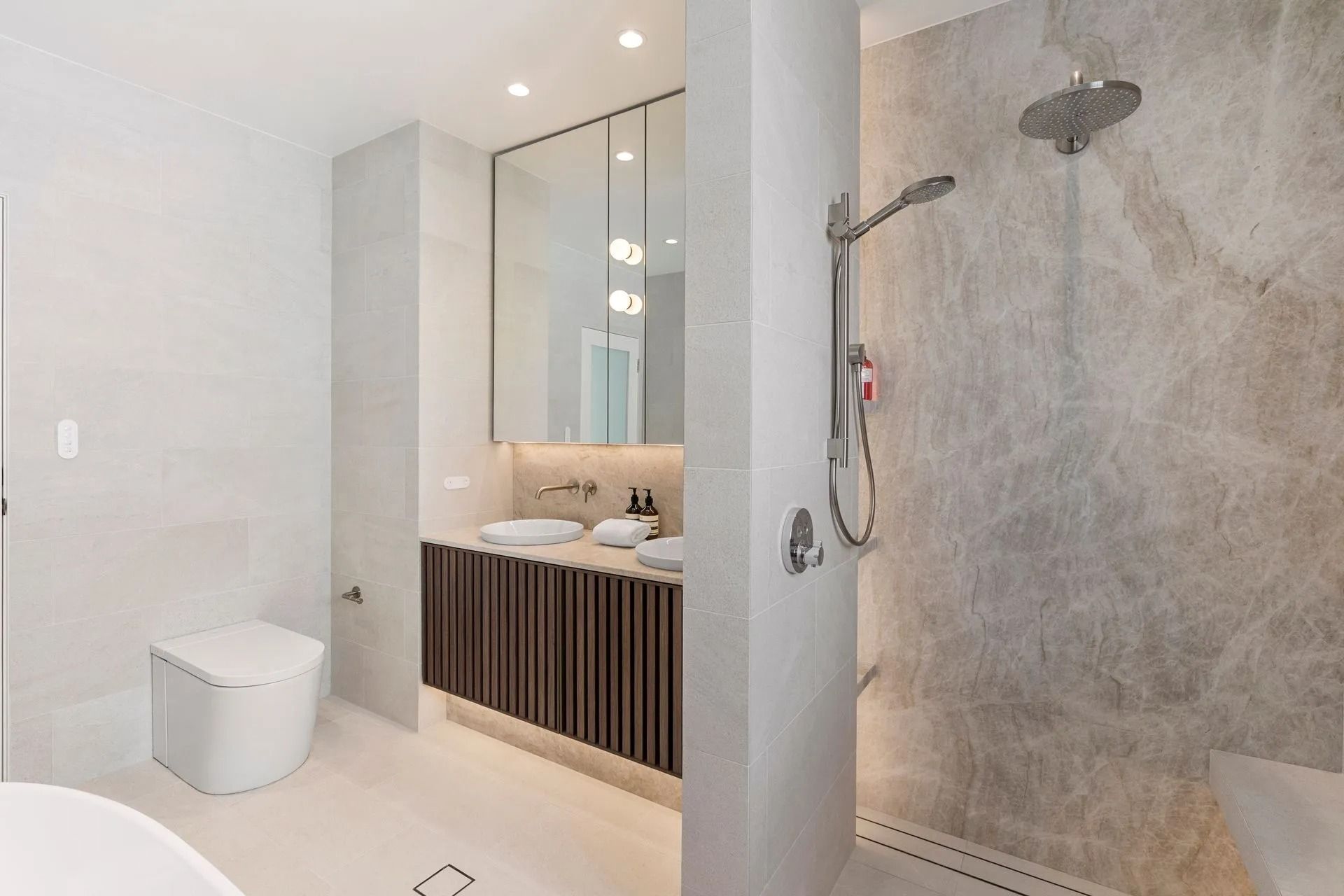
- Bathroom renovations involving waterproofing membranes
Major works may also require a renovation by-law, legal documentation and additional technical reports.
Step 3: Confirm Whether Council Approval Is Also Needed
Strata approval and council approval are not the same thing. Some renovations may require only strata approval, while others may also need council approval, a complying development certificate or certification from relevant professionals.
This depends on the scope of work. Structural changes, changes to fire safety systems, changes to building services or certain layout alterations may require further approval. A professional renovation contractor experienced in Sydney apartment projects can help identify approval requirements early.
Step 4: Prepare the Required Documents
A strong application is one of the best ways to avoid delays. Your strata renovation application may need:
- Scope of works
- Floor plans or drawings
- Product specifications
- Waterproofing details
- Acoustic reports for flooring
- Engineering reports if structural work is involved
- Contractor licence details
- Public liability insurance certificates
- Work schedule
- Waste management plan
- Access and lift protection plan
- Proposed work hours
The more complete your application is, the easier it is for the strata committee or owners corporation to review.
Step 5: Submit Your Application to Strata
Once your documents are ready, submit the application to the strata manager, strata committee or owners corporation, depending on your building’s process. Your application should clearly explain:
- What work is being done
- Where it will occur
- How long it will take
- Which contractors are involved
- How common property will be protected
- How noise, dust and waste will be managed
For apartment renovations in Sydney, clarity is critical because neighbouring residents, shared access areas and building services are often affected.
Step 6: Allow Time for Review and Approval
Approval timeframes vary widely between buildings. Some minor renovations may be approved relatively quickly if the strata committee has authority. Larger or more complex renovations may need to be tabled at a general meeting, which can take longer. Common causes of delays include:
- Missing documents
- Unclear scope of works
- No contractor insurance details
- No acoustic report for hard flooring
- Waterproofing concerns
- Work affecting common property
- Committee meeting schedules
Starting early helps avoid delays to your renovation start date.
Step 7: Meet Any Conditions of Approval
Strata approval often comes with conditions. These may include:
- Work only during approved hours
- Lift and common area protection
- Licensed and insured contractors only
- Noisy works limited to certain times
- Waterproofing certification
- Acoustic certification
- Rubbish removal requirements
- Final inspection or completion documents
These conditions are not optional. Failing to follow them may cause disputes or delays.
Step 8: Start Work Only After Written Approval
Do not rely on verbal approval from a neighbour, committee member or building manager. Before starting work, make sure you have written approval and a clear record of any conditions attached. This protects you if questions arise later.
Step 9: Keep Records Throughout the Renovation
During the renovation, keep copies of:
- Strata approval
- Contractor licences
- Insurance certificates
- Receipts and warranties
- Waterproofing certificates
- Compliance certificates
- Acoustic documents
- Completion photos
These records may be useful if you sell the apartment later or if strata requests proof of compliance.
Common Strata Renovation Pitfalls in Sydney
Many approval problems happen because owners underestimate what counts as strata-related work. Common mistakes include:
- Replacing carpet with timber or hybrid flooring without acoustic approval
- Starting bathroom renovations without waterproofing approval
- Assuming internal walls are automatically non-structural
- Changing plumbing locations without checking common property impact
- Booking trades before approval is granted
- Submitting incomplete applications
- Ignoring building work-hour restrictions
Avoiding these mistakes can save significant time and cost.
How ATH Projects Simplifies the Approval Process
Strata approval can feel overwhelming, especially if this is your first apartment renovation. Between by-laws, forms, drawings, trade licences, insurance documents and committee questions, the paperwork can quickly become stressful.
ATH Projects helps simplify unit renovations in Sydney by managing the process from planning through to completion. Our team understands the practical requirements involved in Sydney unit and apartment renovations, including strata coordination, documentation, scheduling and communication with building stakeholders.
We help clients prepare clear renovation scopes, coordinate required documents and deliver works in line with approved conditions.
Renovate with Confidence
Getting strata approval is not just a box-ticking exercise. It protects your property, your neighbours, your investment and your renovation timeline. By understanding whether your renovation is cosmetic, minor or major, preparing the right documents and working with experienced professionals, you can move through the approval process with far less stress.
For streamlined apartment and unit renovations in Sydney, ATH Projects manages the design, approvals, build and handover process on your behalf, helping you avoid unnecessary delays and focus on the finished result. Contact us to get started.